
"Gospels" Tagged Sermons
Biblical Theology treats history, not logic or language, as the category that finally controls interpretation. Mark’s Gospel holds together as one continuous witness from its first verse to its last, and that overall shape is what allows any single story inside it, like the healing in chapter 2, to be read rightly. Structure is not decoration; it is how the text argues.
Where the Synoptic Gospels treat creation implicitly, John makes it explicit from his very first verse. Creation joined to Christ becomes new creation, and John 1:1-18 traces a life found only in, with, and through him.
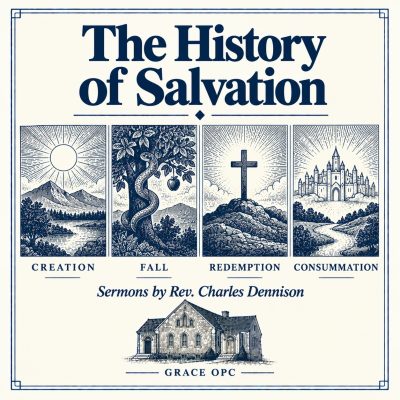
The real difficulties in harmonizing the gospel accounts of the resurrection get worked through honestly, without papering over them. From that honest reckoning come three points on why Christ’s resurrection matters as much as it does.
How John’s ‘the Word,’ Matthew, and Luke each describe Christ’s coming in their own way gets compared, before turning to Luke’s account of his childhood. Luke’s own focus on the temple in chapter 2 already signals where this child’s life is headed.