"sin" Tagged Sermons
1. The burden of __________ and the blasphemy of __________________ (vv. 18-19).
2. The reversal of true _______________ (v. 20).
3. The folly of godless ‘__________________’ (v. 21).
1. Fallen man’s natural tendency to ____________ from God’s ___________.
2. ______________________ involves a turning or returning to Christ as the overseeing ________________ of our souls.
3. Behold Christ, the ____________________ Shepherd of our souls!
1. Good News! In Christ, God forgives our sins!
2. The complete and comprehensive nature of God’s forgiveness.
3. O Church, let us take to heart how God’s forgiveness of our sins should lead us to be forgiving toward others.
1. Apart from saving union with Christ, fallen man is spiritually dead and spiritually defiled / uncircumcised (v. 13a).
2. Because Christ died to pay the penalty for our sins, He made us spiritually alive in Christ, forgave all of our sins, and canceled our sin debt (vv. 13b-14).
3. The evil demonic forces of this fallen world cannot do us any ultimate spiritual harm, for they have been disarmed and defeated through Christ and His work (v. 15)!
1. Take to heart the call to put away sin (v. 1).
2. Specific sins that hinder sincere brotherly love within Christ’s body, and which therefore must be put away (v. 1).
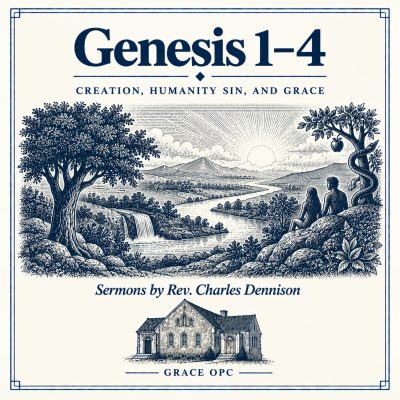
Adam and Eve’s sinful response to God is worked through before turning to the curses themselves, placed in turn on serpent, woman, and man. The serpent stays hidden until Christ finally meets him face to face in the wilderness temptation.
God’s conspicuous absence during Adam and Eve’s actual sin gives way to his reappearing in Genesis 3:8. That reappearance carries a real eschatology of judgment, one Christ finally answers by defeating Satan outright.
The evil evident in both public and private life gets surveyed as evidence of total depravity, offering a careful biblical definition of sin that touches mind, emotions, and will alike. Against that bleak picture stands Christ’s own conquest of sin on our behalf.