
"Joseph" Tagged Sermons
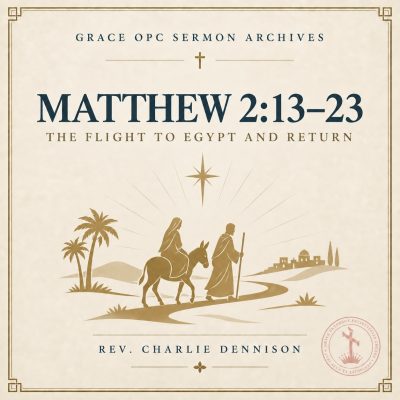
The two dreaming Josephs, and the two exoduses they belong to, are read for both their similarities and their real differences, a case study in proper Biblical exegesis done carefully rather than forced. Matthew 2:23’s obscure prophecy of a shoot from Jesse’s stem gets its own close attention. Scripture, the sermon insists throughout, is finally about what God does to us. What we’re meant to do comes after, not before.
Liberal theology’s rejection of the supernatural finds a direct answer in the deliberate connection Matthew draws between Joseph of Nazareth and Joseph of Genesis, both moved by dreams under a sovereign hand. Biblical-Theological preaching, tracing that kind of connection, is set against both systematic and moralistic alternatives as the truer way to preach the text. The two Josephs are not a coincidence to be explained away.
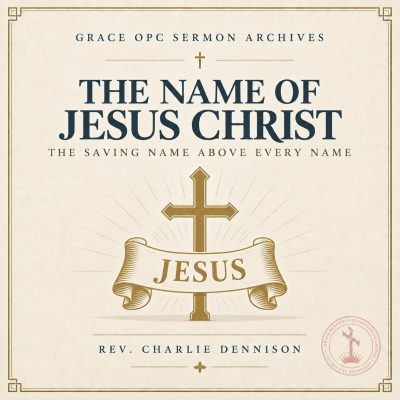
Joseph’s dream and the debated meaning of Isaiah 7:14 both converge on a single claim: the name Jesus is the same name as Joshua, and it means the same thing here. Isaiah’s own sign, the remnant child Shear-jashub, already anticipates a salvation that comes through apparent weakness rather than visible strength. The name itself, read this way, is already a sermon.