
"Hezekiah" Tagged Sermons
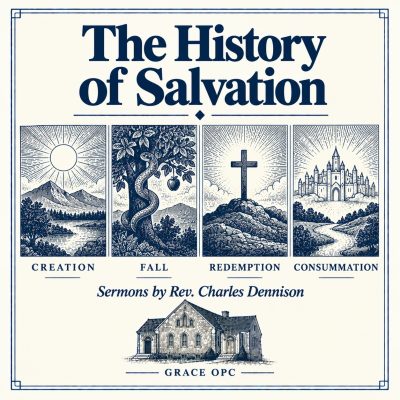
The southern kingdom’s history of wicked kings runs remarkably parallel to the north’s, even as Hezekiah’s reign gets lifted up as a picture of the suffering servant to come. Spiritual wickedness, not merely political failure, is what both kingdoms share.
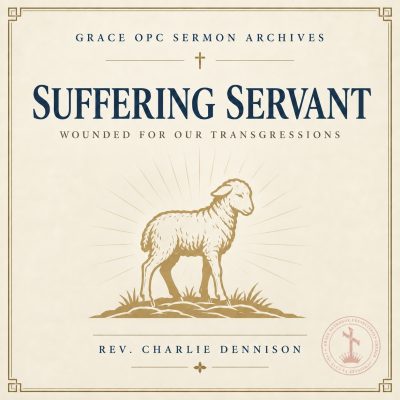
Hezekiah’s failure in chapter 39 is exactly what paves the way for the comfort that opens chapter 40, judgment making room for grace rather than closing it off. Israel’s own failure runs the same course. The servant goes to real lengths for Israel’s good, the same strength described in 40:28-31 for those who wait on the Lord.
Hezekiah’s own failure in chapters 38-39 sets up the sharp turn that follows: real judgment giving way to real comfort. Isaiah 40-66 answers that judgment with God’s own promise to comfort his people through Christ’s coming. The suffering servant’s faithfulness, unlike Hezekiah’s, never wavers.
Isaiah’s own prophetic call comes with real historical circumstances worth tracing, not a timeless vision detached from Judah’s actual crises. Hezekiah reflects David in ways that already point forward to Christ. The suffering servant who threads through this whole book, seen first in shadow here, is Christ himself.