Micah 4-5
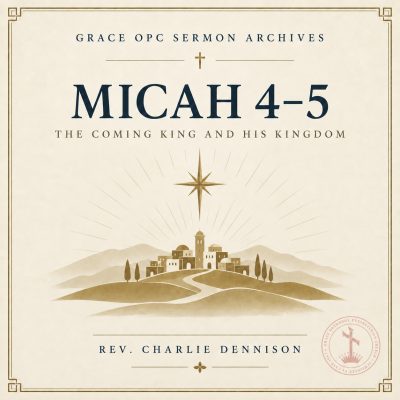
The series closes with Micah 5 shown to prophesy Christ both explicitly and implicitly, transforming even the most desperate circumstances into occasions of his glory. The return, finally, is to Micah’s own tears and confession of sin in 1:8 and 7:9, a prophet who weeps for Israel even as he proclaims her hope.
No explicit missionary mandate exists in the Old Testament, yet Micah’s prophecy clearly anticipates and longs for the missionary age to come. The modern church’s discomfort with a wrathful God gets confronted too, showing how Micah 5:15 and 4:1-4 hold judgment and mission together.
Micah 5:2-9 gets worked through before a decisive shift at verse 10, where power is perfected in weakness rather than military strength. Even the faithful remnant is numbered among the unrighteous, a humbling that only makes the coming Christ more necessary.
Micah’s vantage point is heavenly, not earthly, a corrective to how both conservative and liberal interpreters handle Micah 5:7-9. Read rightly, alongside Romans 8, it shows that God’s people become glorious victors only through the sufferings of Christ.
The promised Bethlehem birth connects to the very Assyrian invasion threatening Micah’s hearers, and only by faith can God’s people see peace amid such tribulation. Christ’s reign is brought about even through manifestly unfit earthly rulers.
The significance of ‘Ephratah’ in Micah 5:2 is examined, showing how the prophet moves rapidly between scenes of future glory and present anguish centered on Bethlehem. In this alternation, Micah is already preaching Christ centuries before his birth.
Working through the difficult prophecy of Micah 4:1-5:1, today’s church gets diagnosed with an anemic gospel, weakened because the cross is neither preached nor lived out. Micah’s own vision, by contrast, refuses to soften the cost of judgment on the way to hope.
Micah weaves hope and anguish together, and it is precisely through Babylon’s agony that God’s people enter the hope of Heavenly Zion. A direct line runs from Micah 4:10 to Romans 8:21-23, the same pattern of suffering before glory carried into the New Testament.
The series opens with Jewish leaders clinging to property and power even as Micah pronounces God’s coming judgment against them. Beyond that judgment, Micah’s eschatology points to a transcendent kingdom in which Christ himself is the true temple.